Horse Racing Betting Strategy: Tips and Tricks for Success

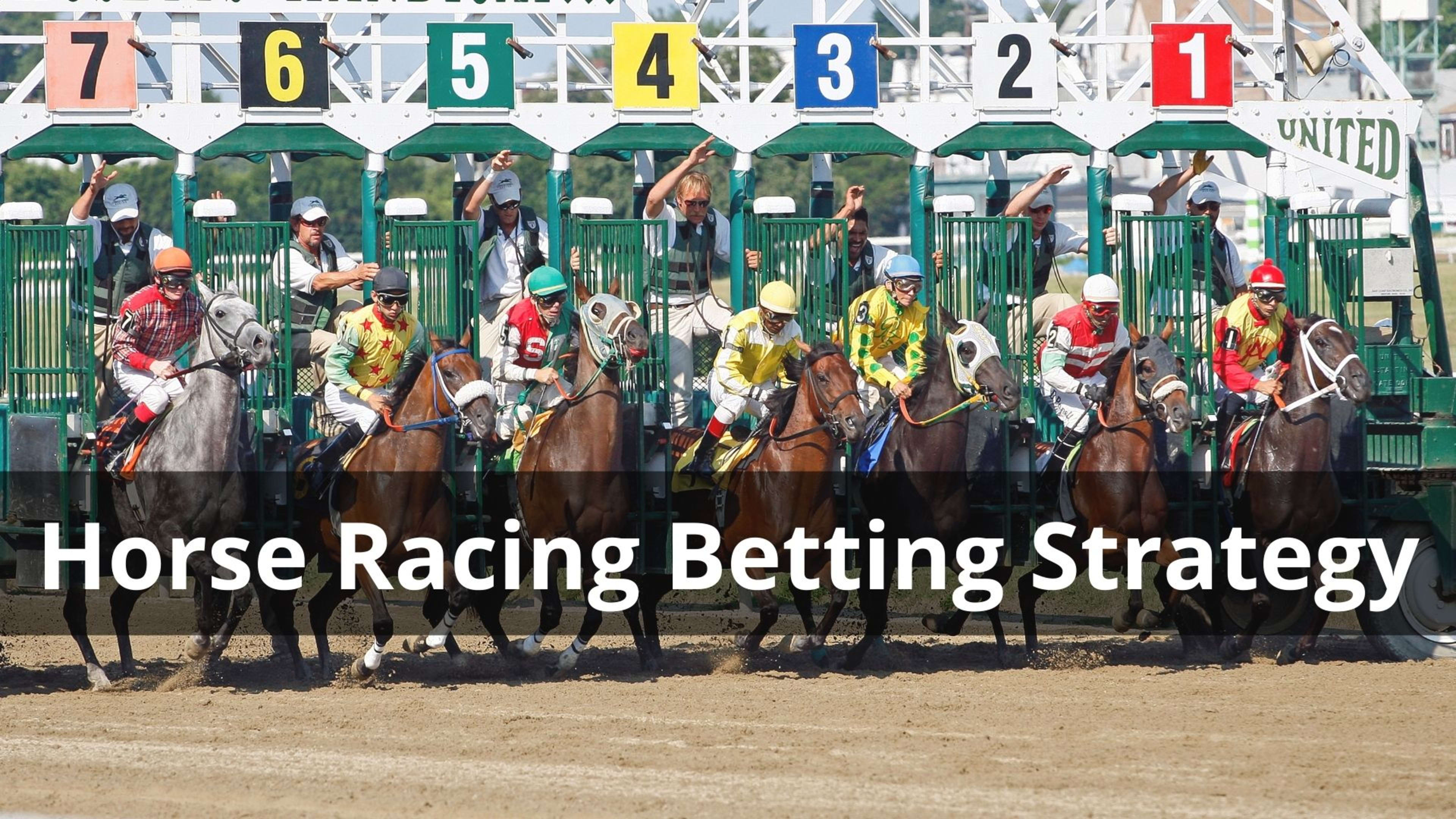
Horse racing betting can be transformed from a game of chance into a strategic endeavor when you apply data-driven methodologies and statistical analysis. This comprehensive guide will teach you how to bet on horse racing successfully using strategic methods that leverage statistics, performance data, and analytical tools to make informed decisions and maximize your potential returns for Ghanaian players.
Understanding the Basics of Horse Racing Betting
Before diving into advanced statistical strategies, it's essential to understand the fundamental concepts that form the foundation of successful horse racing betting.
Types of Bets: Win, Place, Show, Exacta, Trifecta
Horse racing offers various betting options, each with different risk-reward profiles:
- Win bets: Your horse must finish first
- Place bets: Your horse must finish first or second
- Show bets: Your horse must finish in the top three positions
- Exacta: Pick the first two horses in exact order
- Trifecta: Pick the first three horses in exact order
- Superfecta: Pick the first four horses in exact order
Understanding these bet types is crucial for developing a comprehensive horse racing betting strategy that matches your risk tolerance and analytical capabilities.
How Odds Work and What They Represent
Odds reflect both the probability of an outcome and the potential payout. They represent the betting public's collective assessment of each horse's chances, adjusted by the track's takeout percentage. Lower odds indicate higher probability but smaller payouts, while higher odds suggest longer shots with greater potential returns.
Fractional odds (5/1) mean you win $5 for every $1 wagered, while decimal odds (6.0) show your total return including your stake. Understanding odds is fundamental to calculating expected value and identifying profitable betting opportunities.
The Role of the Tote vs Fixed-Odds Betting
Tote betting involves pooled wagering where odds fluctuate until post time, while fixed-odds betting locks in your odds at the time of placement. Each system has strategic implications:
- Tote betting: Odds change based on betting volume, potentially offering better value on overlooked horses.
- Fixed-odds betting: Provides certainty about potential returns, useful for calculated betting strategies.
Key Factors That Influence Race Outcomes in Ghana
Horse Form and Past Performance
Recent form provides crucial insights into a horse's current condition and competitiveness. Key metrics include:
- Win percentage over recent races
- Consistency of finishes
- Performance trends (improving or declining)
- Time since last race and layoff patterns
Jockey and Trainer Statistics
Human factors significantly impact race outcomes:
- Jockey statistics: Win rates, track-specific performance, experience with particular horses.
- Trainer statistics: Success rates with different horse types, training methods, and preparation patterns.
- Jockey-trainer combinations: Some partnerships consistently outperform expectations.
Track Conditions and Weather Impact
Environmental factors can dramatically alter race dynamics:
- Surface conditions (fast, good, soft, heavy)
- Weather effects on different horse running styles
- Track bias favoring inside or outside post positions
- Seasonal performance variations
Post Position and Race Distance Suitability
Strategic positioning affects race outcomes:
- Post position statistics for specific tracks and distances.
- Horse preferences for sprint versus distance races.
- Running style compatibility with likely pace scenarios.
How to Use Statistics and Data Analysis in Horse Racing Betting for Ghanaians
Using statistical models and data analysis significantly improves your ability to make evidence-based decisions in horse racing betting. This data-driven approach transforms subjective hunches into objective assessments.
Analyzing Past Performance Data
Study past races using official race records to identify patterns in performance over different surfaces, distances, and weather conditions. Focus on:
- Performance consistency across various race conditions
- Improvement or decline patterns over time
- Head-to-head comparisons between competing horses.
- Performance under similar race circumstances
Tip: Use data from racing databases such as Equibase or Racing Post to assess win percentage, average finish, and consistency metrics across multiple variables.
Using Speed Figures and Pace Analysis
Speed figures quantify a horse's performance in a race adjusted for track conditions, providing objective performance comparisons . Pace analysis reveals how horses perform under different race tempos .
Key applications include:
- Comparing recent speed figures across contenders to identify pace advantages
- Analyzing early, middle, and late pace fractions
- Identifying horses suited to expected race pace scenarios
- Evaluating speed figure trends and improvements
Leveraging Class Ratings and Race Conditions
Class ratings evaluate the level of competition a horse has faced . A horse dropping in class while maintaining solid performance indicators often signals betting value .
Consider these factors:
- Recent class levels versus today's competition
- Earnings per start as a class indicator
- Performance when moving up or down in class
- Avoiding overvaluing wins in weak competitive fields
Understanding Betting Market Trends and Public Sentiment
Betting odds reflect collective public sentiment and insider confidence . Sudden odds shifts can indicate "smart money" or late information affecting race outcomes .
Strategy: Compare early morning line odds to closing odds to detect actionable movements that may reveal informed betting activity.
Incorporating Machine Learning and Predictive Models
Advanced bettors use statistical models such as logistic regression and decision trees, or machine learning algorithms trained on historical race data to predict probabilities more accurately than traditional handicapping methods .
Modern approaches include:
- Multi-variable regression analysis
- Neural networks for pattern recognition
- Ensemble methods combining multiple predictive models
- Automated feature selection from large datasets
Tools and Resources for Data-Driven Bettors
Successful data analysis requires reliable tools and comprehensive databases:
Popular analytical platforms:
- Timeform for comprehensive form analysis
- Equibase for official race data
- DRF Formulator for customizable handicapping
- Horse Race Base for historical performance data
- Betfair Graphs for live market sentiment analysis
Key capabilities to seek:
- Real-time statistics and updates
- Customized filtering and comparison tools
- Multi-variable analysis capabilities
- Historical data depth and accuracy
Risk Management and Bankroll Strategies
Effective horse racing betting strategy requires disciplined money management to preserve capital and maximize long-term profitability .
Kelly Criterion and Stake Sizing
The Kelly Criterion provides a mathematical approach to optimal bet sizing based on your estimated edge and the odds offered . This formula helps maximize long-term growth while minimizing risk of significant losses .
Calculate your optimal stake as a percentage of bankroll based on:
- Your assessed probability of winning
- The odds offered by the market
- Your available betting capital
Setting Win/Loss Limits
Establish clear boundaries for both winning and losing sessions:
- Daily loss limits to prevent emotional chasing
- Profit targets to secure gains
- Maximum bet sizes relative to bankroll
- Regular bankroll reassessment periods
Avoiding Common Biases (Recency Bias, Gambler's Fallacy)
Psychological biases can undermine analytical decision-making:
- Recency bias: Overweighting recent results versus long-term patterns
- Gambler's fallacy: Believing past results affect future independent events
- Confirmation bias: Seeking information that confirms existing beliefs
- Overconfidence: Overestimating the accuracy of your predictions
Legal, Ethical, and Responsible Gambling Considerations
Responsible betting practices ensure sustainable and legal participation in horse racing wagering .
Licensing and Regulation by Country
Different jurisdictions have varying regulations:
- Licensed operators in your jurisdiction
- Legal betting age requirements
- Tax implications of winnings
- Consumer protection measures
Signs of Problem Gambling
Recognize warning signs of problematic betting behavior:
- Betting beyond your financial means
- Chasing losses with larger bets
- Neglecting personal or professional responsibilities
- Emotional distress related to betting outcomes
Where to Get Help
Resources for gambling-related concerns:
- National gambling helplines
- Professional counseling services
- Self-exclusion programs
- Support groups and online communities
Final Thoughts: Building a Sustainable Horse Racing Betting System
Long-term success in horse racing betting requires combining analytical rigor with practical wisdom and disciplined execution .
Combining Intuition with Evidence
While data analysis provides the foundation for informed decisions, experienced bettors also develop intuitive insights that complement statistical analysis . The most effective approach balances quantitative analysis with qualitative observations and market awareness .
Tracking Your Bets and Measuring ROI
Maintain detailed records of your betting activity to enable continuous improvement:
- Individual bet outcomes and reasoning
- Return on investment calculations
- Performance across different bet types and conditions
- Identification of successful and unsuccessful patterns
Continuing Education for Long-Term Success
Horse racing betting strategy evolves constantly as new data sources, analytical methods, and market dynamics emerge . Successful bettors commit to ongoing learning through:
- Industry publications and expert analysis
- Statistical and analytical skill development
- Networking with other serious bettors
- Regular strategy review and refinement
Conclusion
Developing a successful horse racing betting strategy requires dedication to statistical analysis, disciplined money management, and continuous learning . By leveraging data-driven decision-making tools and maintaining responsible betting practices, you can transform horse racing from pure gambling into a strategic pursuit with improved long-term prospects .
Start implementing these analytical approaches gradually, track your results meticulously, and remain committed to evidence-based decision-making . Remember that even the best horse racing betting strategy cannot guarantee profits, but systematic application of these principles will significantly improve your chances of long-term success .
FAQ
What is Each Way Betting in Horse Racing?
Each Way Betting splits your stake into two parts: one for the horse to win and the other for the horse to place (finish in the top positions). Even if the horse doesn’t achieve first place, you can still get returns if it finishes within the designated top spots. It's a popular choice for Ghanaian punters looking to increase their chances of winning.
How does the Dutching strategy work in sports betting?
Dutching is a method where you spread your stake across several selections in a single event, ensuring consistent profits regardless of which selected outcome wins. The key is to accurately calculate stakes based on the odds of the selected outcomes. This can be applied to football matches or horse races.
What's the difference between traditional betting and Lay Betting?
In traditional betting, you bet on an outcome to occur. Lay Betting is the opposite; you're betting on an outcome not to occur. If the outcome you've laid occurs, you stand to lose more than in conventional betting. It's a higher-risk strategy popular among experienced bettors in Ghana.
Can you explain the concept of Value Betting?
Value Betting is about finding selections whose odds you believe are better than their actual chances of winning. It requires understanding the sport or event and the capability to assess odds accurately. This is a key skill for successful betting in Ghana.
What is the Favourite-Longshot Bias?
This is a belief that bookmakers may undervalue longshots and overvalue favorites. Some punters try to exploit this perceived bias by consistently betting on longshots. However, remember that betting involves risk, and there are no guaranteed wins.
How does data analysis benefit sports betting?
Utilizing statistics and historical data, punters can gain insights into a team or player's performance and make informed betting decisions. Analyzing metrics like a team's win percentage or a player's scoring record can help discern patterns beneficial for betting. Many Ghanaian bettors use this approach.
What is the importance of bankroll management in sports betting?
Bankroll management involves setting a betting budget and adhering to it, ensuring you don't spend more than you can afford to lose. This practice prevents impulsive, emotion-driven decisions and promotes sustainable betting in the long run. Responsible gambling is key.
How can I maximize my betting experience while ensuring I don’t overspend?
Setting a dedicated budget, tracking your bets, avoiding chasing losses, diversifying your bets, and prioritizing fun over profit are some key ways to maximize your experience while staying financially prudent. Remember to bet responsibly.
Are there advanced strategies for seasoned bettors in Ghana?
Yes, advanced strategies like Arbitrage Betting, Handicapping, Kelly Criterion, and Pace Analysis cater to experienced bettors, offering opportunities to refine their betting tactics and improve outcomes. However, these strategies require a deep understanding of betting markets.
Why is it essential to combine strategy with the enjoyment of sports betting?
While strategies can optimize chances of winning, the unpredictable nature of sports ensures outcomes are never guaranteed. Embracing the thrill of the game and betting responsibly ensures you relish the experience, irrespective of the results. Remember, it's all about having fun!